I’d like to apologize again for the delay of part two. I wrote parts of it over the course of the last month or so, either as I thought it over in my head from a hospital bed, or eventually writing parts in Vancouver, and then Ottawa, and then back home. The different time zone changes and constant movement and day-to-day work have left it kind of a blur. I have clear memories of writing full reviews in notebooks on the subway ride home. It would be my first draft of sorts and I’d make adjustments and edits as I typed it out when I’d get home, and have the review published in the morning. I don’t know how to get back to writing as I used to, so instead, it takes longer for most pieces and writing. I’m also no longer dealing with transit rides that would take 45 minutes, where I could focus solely on reviewing what I had seen, and instead find myself writing bursts and paragraphs here and there.
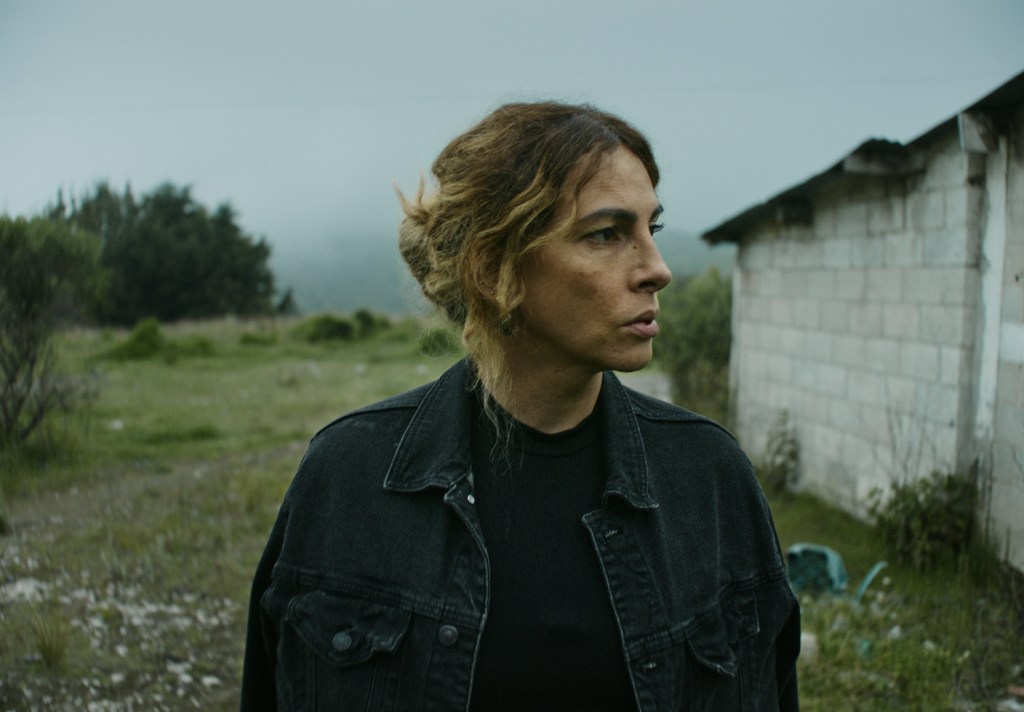
I’m happy to finally talk about the rest of the festival. As of writing this, I still have the same thought process about the scheduling of my day and the rest of the festival. I wanted to try to see more Canadian films and see Seventeen, but when possible, I see a film that Gael Garcia Bernal is in. It’s one of my staples for the festival since I first got to see Rosewater in 2014. So with Gael also directing Hombre al Agua, I knew I had to check it out. I found it fascinating as a sort of “fish out of water” story (ironic since the film’s title translates to roughly “man overboard” instead), as Gael’s character, Camilo, was a lifeguard and had his life changed after saving the life of a businessman. Admittedly, in retrospect, I wish I started my day by seeing Inherit, but instead, I rested, grabbed some groceries to prepare for the festival and did laundry before my first film. While today was a light day, it would be the beginning of another long stretch of waiting between films.
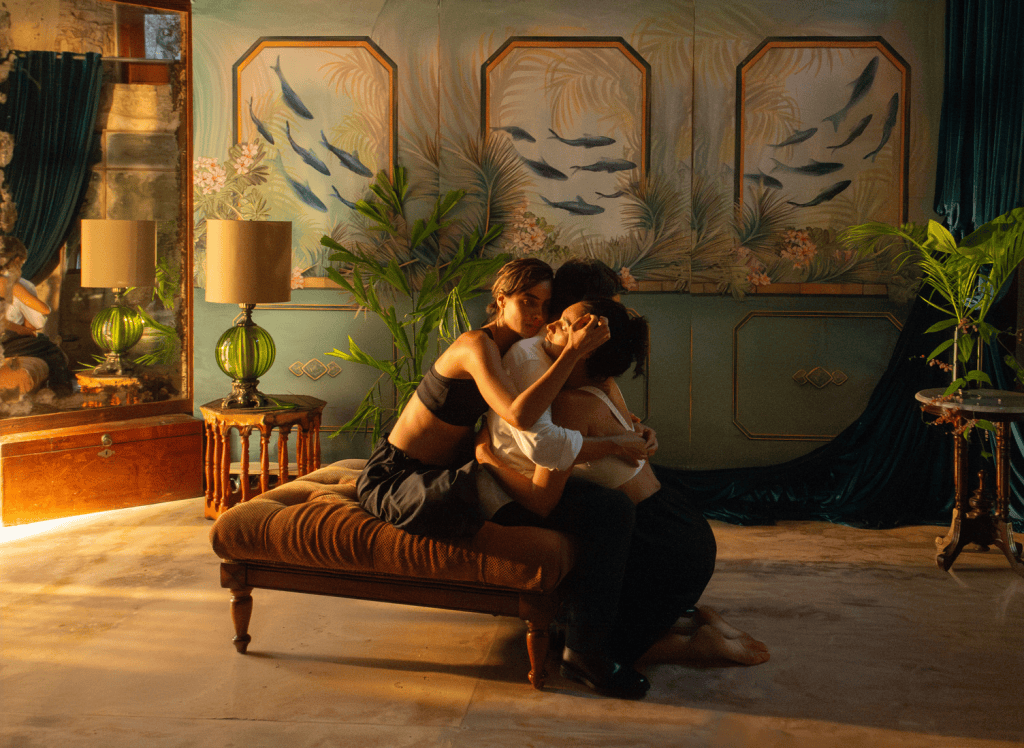
According to Letterboxd, it was nearly 8 years since I saw Lee Chang-Dong’s previous film, Burning. I wish I’d seen his other films, but I have not yet done so. To hear that Possible Love was playing at TIFF, I knew I had to see it and be ready to wait in line to see it.
Watching the two films as an unintended double feature led to some interesting overlaps, for one, unions, but also class expectations: what it is like to try to navigate the lives of the “haves”, while being perceived as the “have-nots.” In Hombre al Agua, Bernal’s direction of his characters takes a harsher touch of “tough love” that I often find in Hispanic households. It’s oddly comforting, and understandably causes stress; it feels like familial “Home.”
Possible Love is not a comedy, though the audience treated it as such. It may be comical, but I think it’s devastating. We follow the two families as they discuss and document a tragic incident that occurred after a strike that went horribly wrong and then left them nearly social pariahs. The documentarians are a family that currently is doing very well financially and wants to tell their story to benefit them. It feels earnest, but it’s questionable at best.
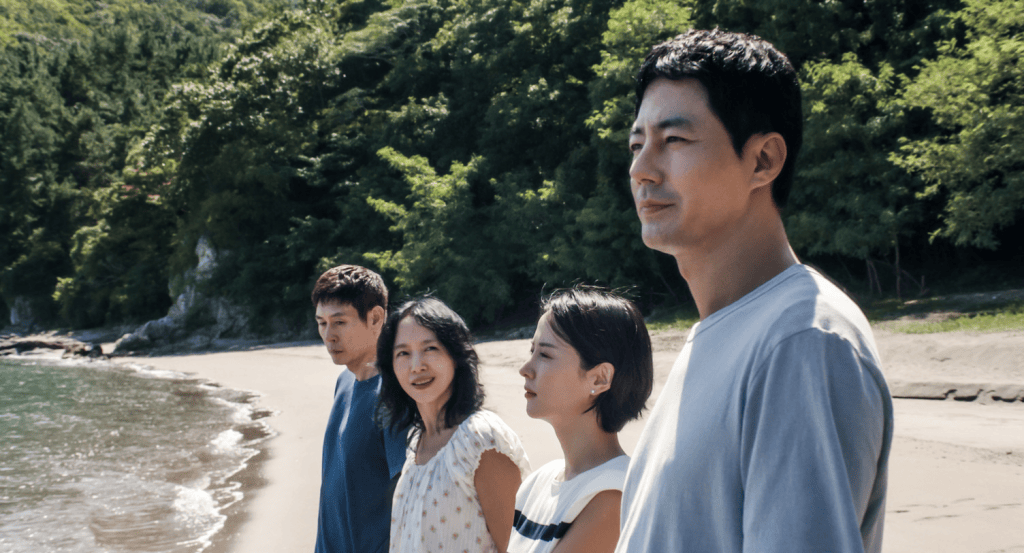
I’m going to look into ordering his previous films, but they all make you walk out of the room feeling in a daze, questioning it all. If so, I’m scared and excited to see others.
I mentioned and referred to prep, and it was for Day 7; this was a four-movie day.
I had planned to see a different film, but there was a late additional press screening of Vintage Violence, so I made sure to start my day with it. I was going to try to see La Bola Negra that morning; I was really looking forward to catching this at the festival because I’ve really liked Eugene’s previous films. He really likes to play with the form and uses visual storytelling in a way that makes sense visually for all audiences.
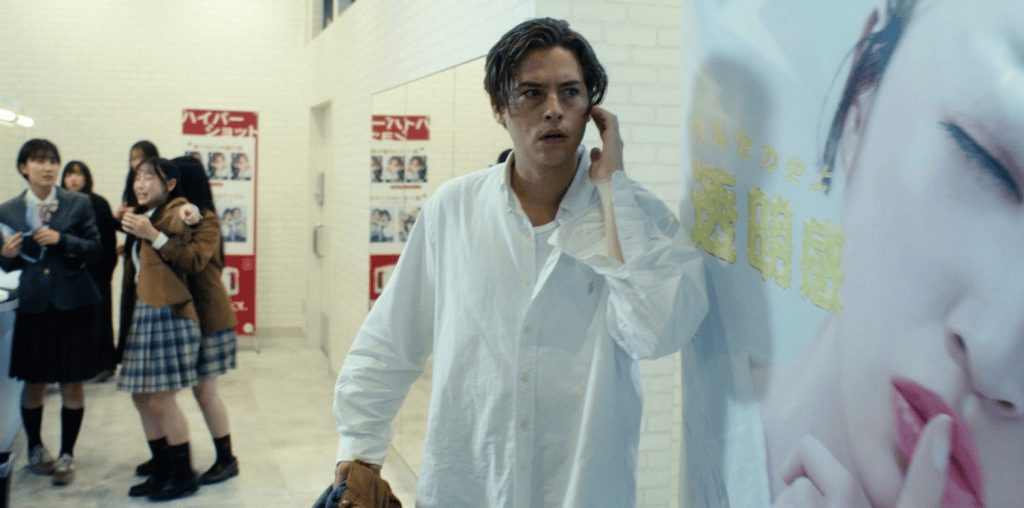
Getting to see Vintage Violence on the big screen gives a proper appreciation of how he uses (and doesn’t use) the full screen. I know that found footage and screen life films aren’t for everyone, but I often find them so fun. They may do similar things, like vertical-only footage to indicate being recorded on a phone, or in this case, an Instagram livestream. It finds Sprouse making his way to Japan to sell old jeans. It’s bonkers and fun; kind of loved it.
My second film was a screening of Diego Luna’a Ashes. Luna’s film follows a family as they leave their home to try and find a new, safer home, but it also shows the struggles of trying to find your own identity amidst that chaos. It starts with Lucila and Diego living in Mexico as their mom moves to Spain to set up a foundation for a better life before they can move over. It is not as seamless as they can hope, and it takes some time before they can join. When they do so, they are now trying to navigate their lives in a new place.
The film was partially promoted as a traditional immigration story to try and uncover or talk about that feeling of being misplaced in a new home. I know the same is true of my parents, who came to Canada in their teens, as their fathers came to make sure they had a job before they moved over. When they came to Canada, they didn’t speak English, so there was more isolation for them, except for the big family and friends that eventually came over. In Lucila and Diego’s case, they went to Madrid and did speak the same language. But the blending of identities and struggles of them remain the same.
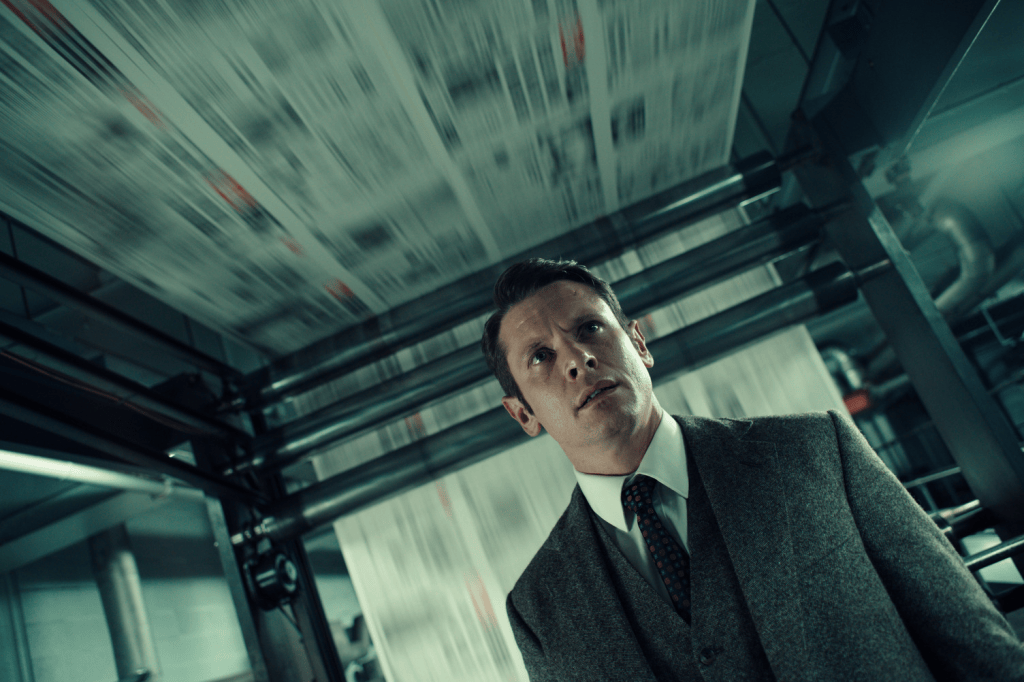
Danny Boyle is one of my favourite filmmakers, and I love his constant innovation. So I was initially excited for Ink. I hate that I’m not surprised that Boyle would use AI eventually as a tool. He’s consistently been trying to push and change what a film means, and this goes back to an early love of digital photography, even when it was at its crudest. Now it is a staple of how most films and media are made, but Hollywood took some time before adopting it, as early as Boyle did with 28 Days Later with Anthony Dod Mantle. Proven to be an early adopter, but I do think that he’s aware of the negative feedback about the use of AI. I’ve seen other films make changes to their film by the time they’re released, but we can only wish that he doesn’t use it again.
Now, for the film itself. Boyle is already a filmmaker I’m almost always in the bag for, and to have him make a film about journalism also sounds enticing. I wasn’t too familiar with the events that occurred in the film at points, but I can see how it would influence future similar newspapers around the world. The cast are giving great performances. Guy Pearce & Jack O’Connell give such strong presences, and Claire Foy is great when the film gives focus to her.
And then I got to my final screening of the day. I got to see the first two episodes of Crystal Lake. Leading up to the screening, we reached out and found out we’d be at the same screening. The seat that I was given is what he preferred, and what he got is what I preferred. So we swapped. Which made for a better screening because the director of the episodes sat in front of me and Linda Cardalini sat next to him. Which made for a much more exciting episode.
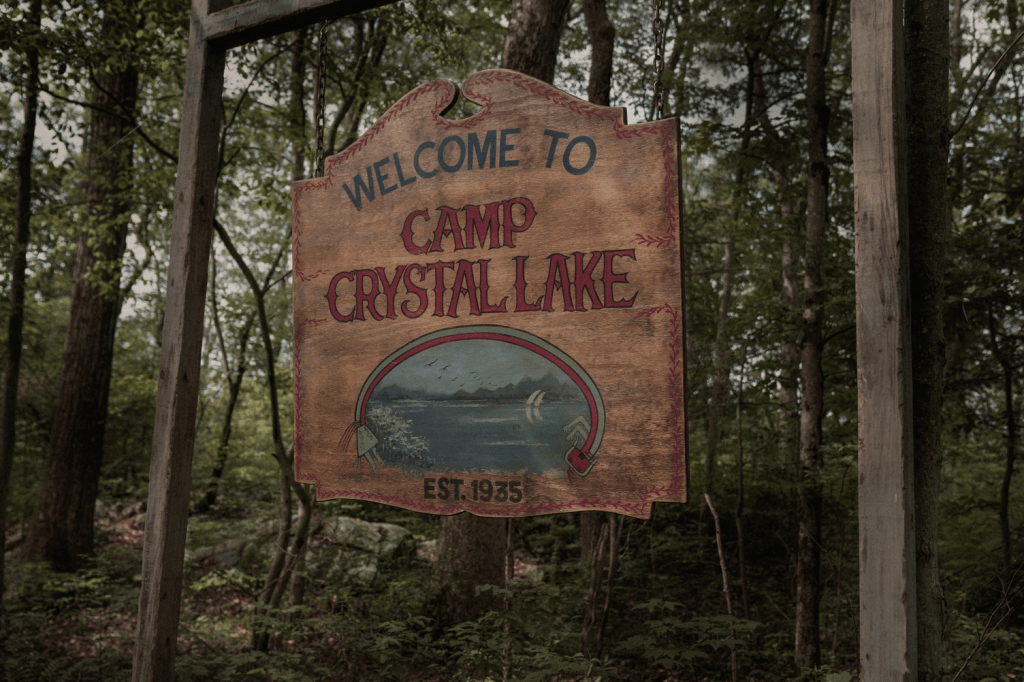
Crystal Lake is a show I’ve been anticipating, but unsure of how I’ve felt about it. Originally almost made by Bryan Fuller, and then almost made by Nick Antosca from Channel Zero, which could have been great. We got another great showrunner, Brad Caleb Kane, who previously did It: Welcome to Derry, which is phenomenal.
Both TV series I got to see during the festival really made me ask why they were made. I’ll eventually discuss Flanagan’s project, but a series adaptation of what sounded like the first Friday the 13th film sounded questionable at best. Having Cardalini as Pamela is a great start. I have only seen the two episodes, so I can only discuss those.
We get moments and glimpses of young Jason before he dies. People have joked about this, but there’s a moment when young Jason holds a machete over his head, as we’re all well aware of what he’s destined to become. I am curious about the rest of the season and am happy to know it’s on Crave in Canada, but I haven’t gotten around to watching more.
I finally made it home and was thankful to rest a bit before day 8. Definitely shorter and quicker than the day before. I caught press screenings of Evil Genius & Toy-Gun Bandit. I had not seen any of Courteney Cox’s previous directorial work, but I was interested in the premise and the film. With Patricia Arquette and David Harbour as the leads, I had to return to IMAX to see it. The film is based on a four-part documentary series of the same name about the “pizza bomber” case of 2003. It’s not a case or story I was familiar with, so watching as some of the events unfold.
I went to see Toy-Gun Bandit because they were comparing it to Uncut Gems, plus my already aforementioned wanting to seek out Canadian content. I’m so glad that I did. It has a similar propulsive, non-stop, adrenaline-filled type of film. We’re constantly wondering how he’ll get out of this one, or the next one.
Admittedly, the schedule didn’t have something I felt I was missing out on that evening, but I went with friends to Glow in the Dark Bingo instead. It was nice to take a break that night.
Most years, I tend to catch a movie before the festival as a way to start it. I didn’t get to do so this year, but instead I threw one near the end of it. Since I had the 18th off, Arianne and I ran to see Resident Evil in IMAX at a different theatre, away from TIFF.
Austin Abrams is perfect in this film as a bumbling hero who tries their best to figure it out and make it out alive. The comedy will have you laughing, but the horror in the next scene will remind you where we are and what’s happening. I’ve been wanting to revisit this since I walked out of the theatre.
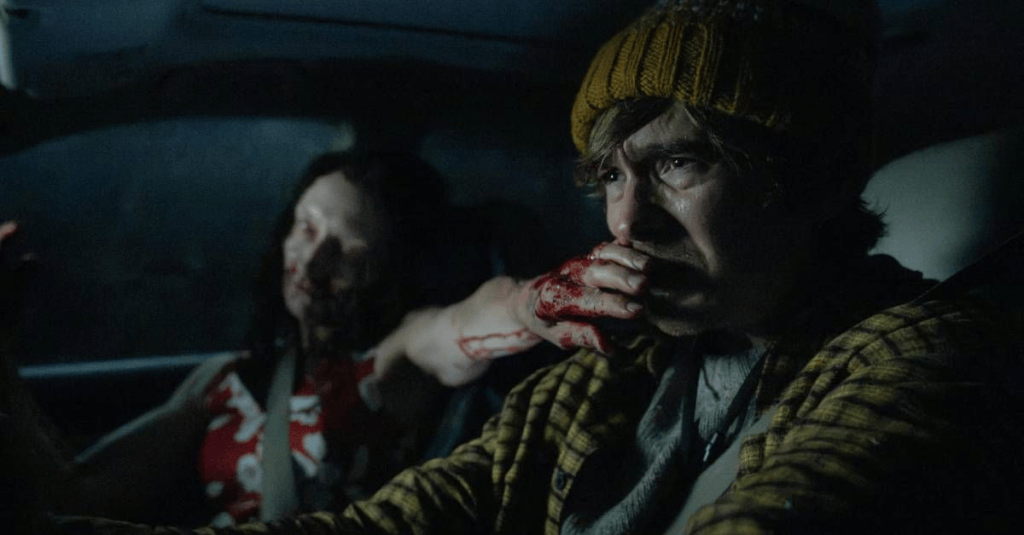
We raved about the film after it ended and then walked home and rested a bit before heading back out for TIFF. I was ready for a new Mike Flanagan project. I finally get to Carrie. I have seen the whole season but will only discuss the first two episodes they showed us.
I recently got to pick up Cregger’s Barbarian (a previous pre-TIFF screening) on 4K and am excited to put it on. But for his latest film, it’s kind of what I expected and wanted from it. Cregger has explained that it will not feature Leon or be an adaptation of the game, but more of what it feels like playing the game or watching someone do so. And yes. Spoilers for The Last of Us, so skip this next line if you’re not familiar, but the way I turned to Arianne and clocked they’re attempting their version of the Rat King before they get to do so. And it fucking rocks.
I have not read the source material, and even though there are multiple adaptations, I’ve only seen Brian De Palma’s version with Sissy Spacek, but it’s a story that most people know. Or know a lot of the major plot points. Which is to say, they’re aware of the pig’s blood at prom, plus the eventual massacre at the prom, and the town. Flanagan’s adaptation makes sure to reference it almost right away, as Sue Snell tells us, “You think you know the story, but you don’t.” And the truth is, I didn’t.
Flanagan and his team adapted the story for modern audiences. Where sometimes the bullying isn’t as black and white as previously used to be, and more often than not, hidden behind screens. So yes, a fake Instagram account to Mean Girls burn-book posts into oblivion was the next logical step in some ways. The modern internet bullying makes the film feel meaner and just as mean for the modern age. It left me wanting and ready for the rest of the season. Being at the screening, as they introduced Summer H. Howell before the screening and the rapturous applause after the screening, felt special. If only we knew what else was in store. I mean, we kind of do, but not all the variations.
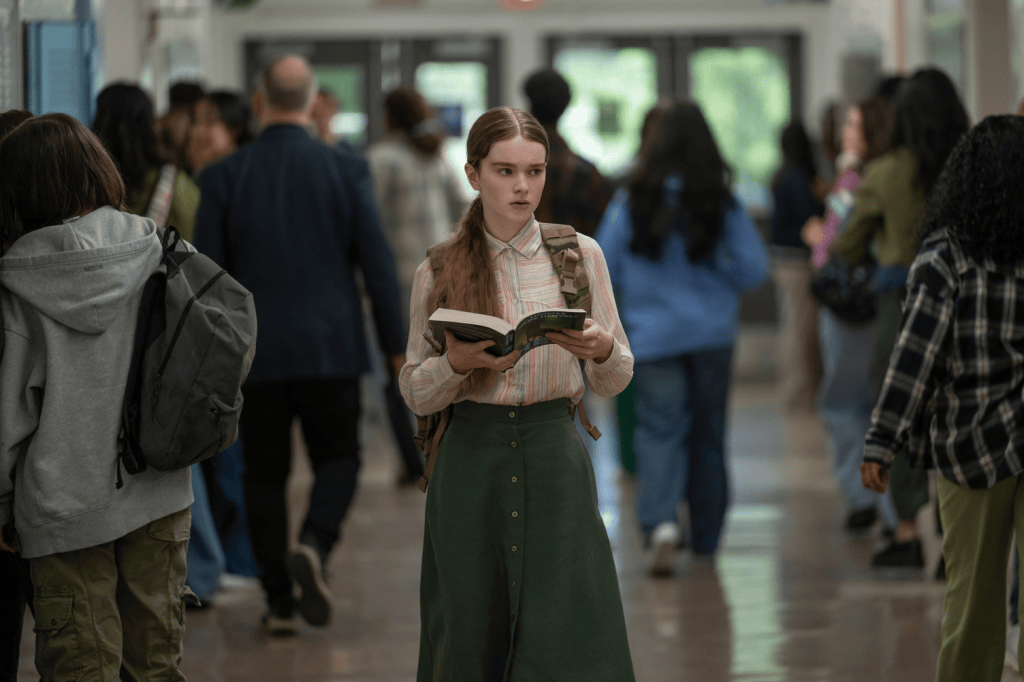
This time around, we get a bit more context to more of the characters and get to see their reasoning and how hurt they have been and how it all stems from elsewhere before trying to hurt someone else. Typically, not always, but as Flanagan said in the introduction to the show, “hurt people hurt people.”
As always, I love seeing Flanagan’s company of actors pop up in his projects. They not only play to their strengths but also play versions or variations of what we expect. Joining the team are Amber Midthunder and a few others as Carrie’s classmates. I wasn’t familiar with the lead cast, which was exciting for the show. I already mentioned Howell’s great performance as Carrie White throughout the show and her arc, but Siena Agudong as Sue Snell is also remarkable. Josie Totah, whom I’m recently familiar with after seeing her in Faces of Death. Joel Oulette as Tommy is also good at showing empathy and different ways of portraying that character in the past.
I have finally made it to the closing weekend of the festival, Day 10 and Day 11. I worked the final day, but for both days I saw only one film a day. Which, I know, still sounds like a lot to most folks, but to an extent feels like not enough.
On Saturday, I saw Nosotros. A really loving, beautiful film about finding yourself and a loving community or connection sometimes. Jozef Coxaj plays our lead, Romero, who lives in a small town with his Indigenous wife and child. He leaves the town for work as a security guard at a local mall, where he falls in love with a transgender business owner at the mall. The tension in the film isn’t where it’s expected, but instead it’s a film more about searching and allowing ourselves to be vulnerable and honest. It might be the film I’ve thought about the most since the festival ended in the middle of September.
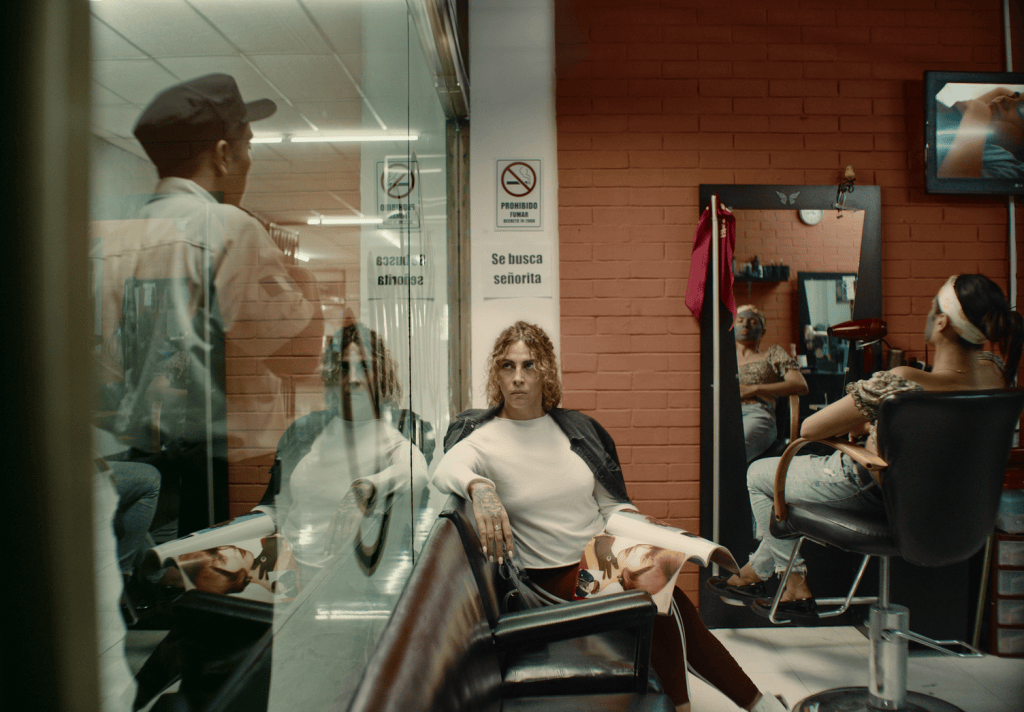
On the last day of the festival, I worked. It was nice to have a regular day at home again. They would have announced the awards early in the morning, but the tickets were all taken before I got a chance to get one for a People’s Choice screening. I did have a ticket and went to see Half instead.
Earlier in the festival, I had also run into a few other friends between screenings of movies I don’t remember. Shak was one of them. There was a video I saw where he and Eric (another friend of the site from the Untitled Movie Podcast, who I did get to speak with Matt to start my festival) spoke about some of their recommendations, and it was he who made me realize I should consider it. From the same fight choreographers from The Raid 2, I felt that was enough information to pique my interest, and the leads are vampires. The film unsurprisingly carries such elevated, fun fight scenes. They’re conistently felt innovative.
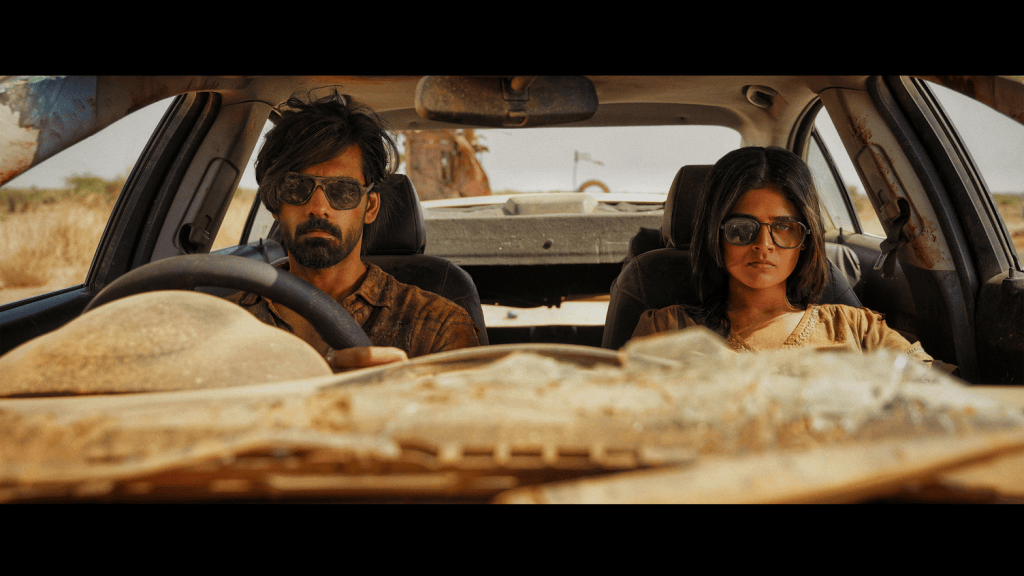
With some time removed from the festival, and with new health updates, I’m happy with the festival and what I was able to see. Like I’ve stated before, I wanted to find new voices and find something special at the festival. A lot of the films that I’m sad about missing out on have release dates and/or are already released, so I’ll get to see them. Seeking out content that sometimes feels like it’s made for you means it’s not able to surprise you. There’s nothing wrong with that when good art is still good art.
I feel that was the case for my time at TIFF. I wanted to make sure to appreciate my time there and see films because they interested me, not due to outward noise. Not that those who can, or do so because it is their job. I just know I needed to do the festival this way. I did feel a bigger appreciation for the friends and, for some, family that I get to see and spend time with during the festival. Getting to see 22 films in 11 days ain’t so bad.

